1. Core Functions (Key Differences from Civil Air Purifiers)
- Positive Pressure Protection: The internal air pressure is maintained at 50–100 Pa higher than the outside, preventing toxic agents and radioactive dust from infiltrating through gaps.
- Full NBC Protection: Filters out radioactive particles, biological agents (bacteria, viruses) and chemical toxic agents (sarin, mustard gas, etc.).
- Blast Resistance: Blast-proof dampers automatically close under shock waves to protect pipelines and filter components.
- Long-duration Operation: Capable of continuous operation for weeks; operable manually or via generator during power outages.
- Three Ventilation Modes: Clean mode (safe ambient air), Gas-filtering mode (contaminated ambient air) and Isolation mode (severe external hazards with internal air recirculation).
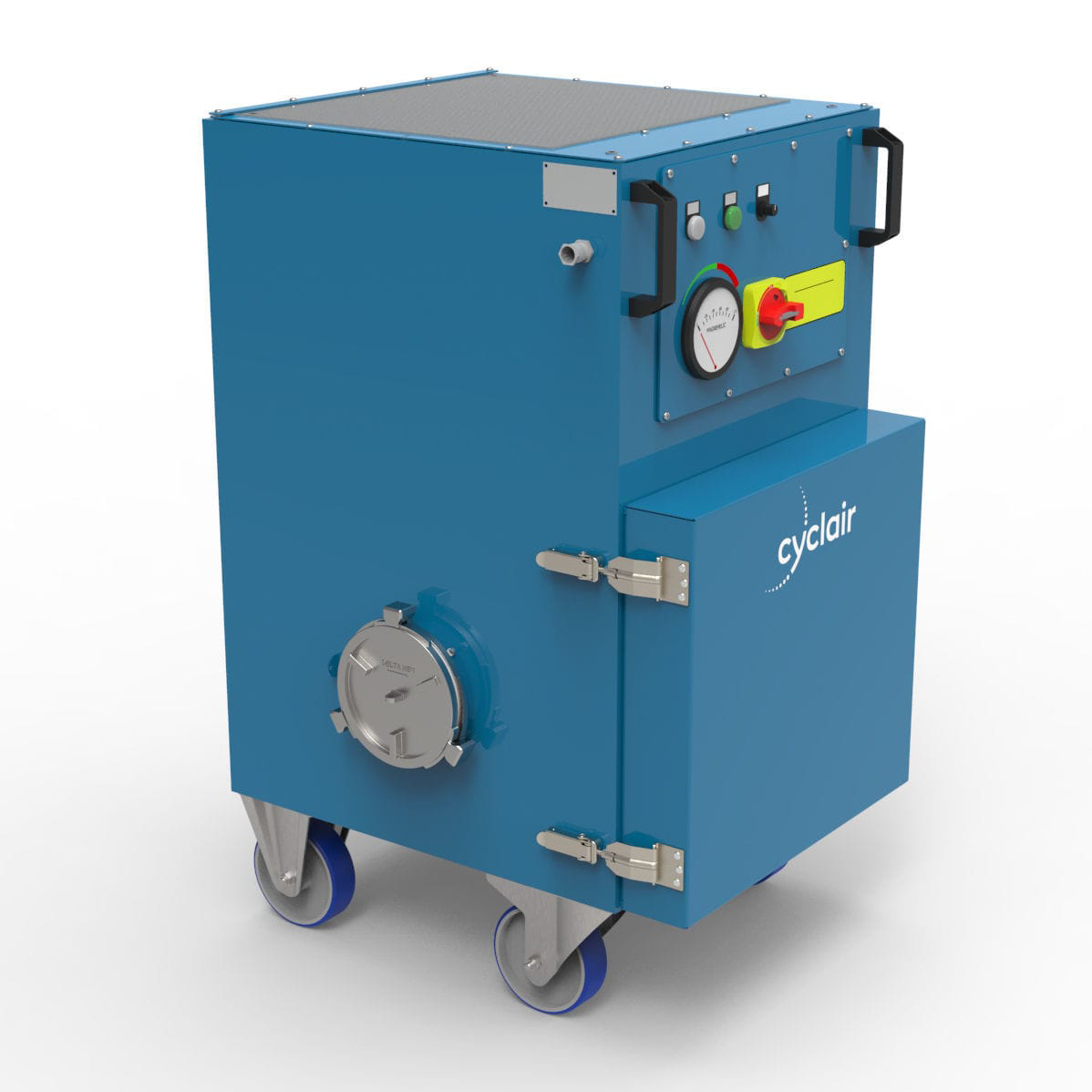
2. System Composition & Working Principle
2.1 Air Intake Unit (External to Bunker)
- Air Inlet: Concealed design with rainproof and pest-proof mesh, equipped with blast-proof dampers that shut off automatically against shock waves.
- Air Ducts: Made of steel or composite materials with a diameter of 10–20 cm, installed underground or in concealed routes.
- Pre-filtration Section: Equipped with G4 coarse filters and oil filters to block large debris, insects and fallen leaves.
2.2 Core Multi-stage Purification System
Filtration sequence: Pre-filter → HEPA filter → Activated carbon → Dedicated NBC filter → Disinfection
- Pre-filter (G4–F5): Traps particles larger than 10 μm such as dust and pollen. Easy to replace and protects high-grade downstream filters.
- H13–H14 HEPA Filter: Removes particles above 0.3 μm with an efficiency of 99.97%–99.995%. Intercepts radioactive dust, bacteria, viruses and smoke.
- Activated Carbon Layer: Adopts coconut shell or columnar activated carbon to adsorb chemical toxins, volatile organic compounds (VOCs) and odors.
- Military-grade NBC Filter Absorber: Composite filter media containing iodine, silver and catalysts decomposes lethal agents including sarin, VX and mustard gas, providing integrated nuclear, biological and chemical defense.
- Optional UV-C / Photocatalytic Disinfection: 254 nm ultraviolet light eliminates residual bacteria and viruses for medical-grade sterilization.
2.3 Air Supply & Positive Pressure Maintenance
- Main Fan: Explosion-proof centrifugal fan delivering required air volume and positive pressure. Designed for minimum 30 m³/h per person.
- Distribution Ducts: Galvanized steel pipes or flame-retardant hoses deliver purified air evenly to all cabins.
- Overpressure Relief Valve: Automatically releases excess air to maintain 50–100 Pa positive pressure, exhausting carbon dioxide and stale air to balance internal pressure.
2.4 Exhaust & Isolation Unit
- Air Outlet: Fitted with blast-proof valves to resist reverse shock waves; fully closed under isolation mode.
- Internal Recirculation Pipeline: In isolation mode, air circulates through CO₂ scrubbers and molecular sieves to stabilize oxygen and carbon dioxide levels.
2.5 Power Supply & Redundant Backup
- Primary Power: Municipal power supply + UPS (Uninterruptible Power Supply).
- Backup Power: Diesel generator (continuous operation for over 72 hours) + manual crank drive for emergency air supply lasting several hours.
2.6 Intelligent Monitoring & Control System
- Sensor Array: Monitors oxygen (19.5%–23.5%), carbon dioxide (<1%), temperature, humidity, differential pressure and toxic gas with alarm functions.
- Mode Switching: Supports automatic and manual switching among three ventilation modes; visual and audible alarms for malfunctions.
3. Three Operating Modes for Practical Scenarios
- Clean Ventilation (Green Indicator): Safe external air is filtered and supplied directly. Lowest energy consumption.
- Gas-filtering Ventilation (Yellow Indicator): Activated when external air is contaminated. Air passes through the full NBC filtration system and is delivered under positive pressure — the core life-saving mode.
- Isolation Ventilation (Red Indicator): Activated under extreme hazards such as nuclear explosions or severe chemical leakage. All external air passages are closed. Internal air recirculates with oxygen supplementation and CO₂ absorption, sustaining life support for days to weeks.
4. Key Technical Parameters (Selection Reference)
- Filtration Efficiency: H14 HEPA (99.995% for 0.3 μm particles) + Military-grade NBC filtration
- Standard Positive Pressure: 50–100 Pa (anti-infiltration)
- Air Volume: 30–50 m³/h per person; ≥300 m³/h for a 10-person cabin
- Filter Service Life: Pre-filter: 1–3 months; HEPA filter: 6–12 months; Activated carbon & NBC filter: 3–6 months (varies by pollution level)
- Blast Resistance Pressure: ≥0.3 MPa (compliant with civil air defense standards)
5. Routine Maintenance Guidelines
- Weekly: Inspect differential pressure, fans and valves; clean pre-filters.
- Monthly: Calibrate sensors; test generators and manual cranks.
- Quarterly: Replace pre-filters; check saturation of activated carbon and NBC filters.
- Annually: Complete system overhaul, replace HEPA and NBC filters; conduct air tightness testing.
6. Fundamental Differences from Civil Air Purifiers
- Purpose: Civil purifiers for comfort improvement; bunker systems for life support as the sole breathing air source.
- Protection Capability: Civil purifiers only remove dust and odors; bunker systems resist NBC hazards and blast impacts with positive pressure protection.
- Power Supply: Civil purifiers rely solely on municipal power; bunker systems adopt municipal power + UPS + generator + manual drive.
- Continuous Operation: Civil purifiers work for hours; bunker systems run continuously for weeks.
