I. Preliminary Compliance & Documentation (Top Priority)
- Verify land nature: Construction is prohibited on cultivated land, forest land, basic farmland and river course red lines.
- File records with competent authorities: Submit construction plans to housing and urban-rural development, natural resources, emergency management and urban management departments. Construction drawings for underground structures in urban areas shall be put on file and comply with civil air defense and urban planning regulations.
- Coordinate property rights and neighborhood relations: Detached houses are eligible for independent construction. Written consent from all property owners and the property management is required for using shared underground spaces in residential communities to avoid disputes over settlement and building subsidence.
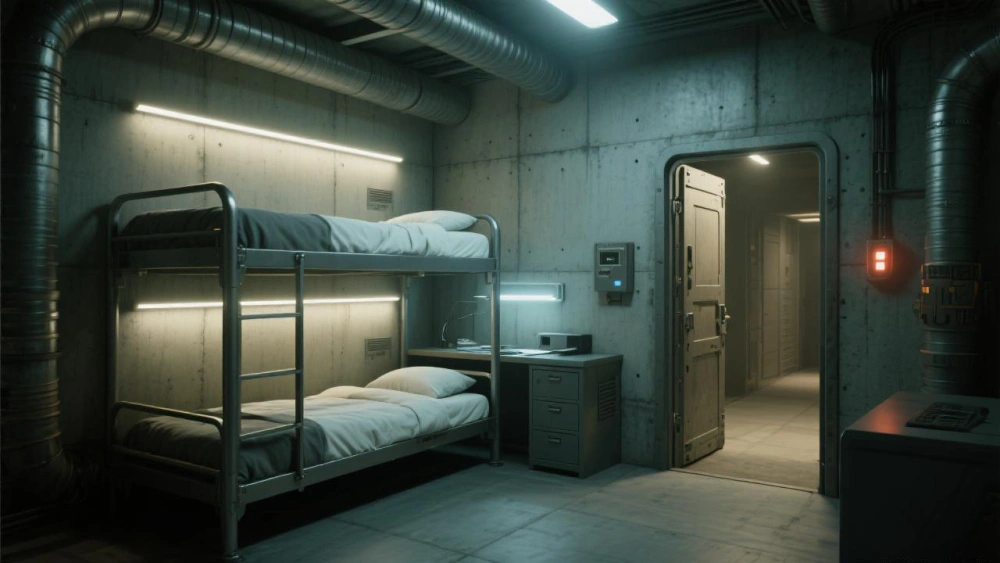
- Qualification Verification
Hire constructors with valid qualifications for foundation engineering, earthwork and building construction. For large-scale shelters, engage professional teams experienced in civil air defense projects.
II. Site Selection & Geological Survey
- Site Selection Principles
- Preferred locations: Basements of detached buildings or underground spaces within private yards. Keep away from high-rises, flammable and explosive facilities and main pipelines.
- Avoid: Fault zones, landslide-prone areas, karst terrains, low-lying flood-prone zones and areas above underground pipelines (gas, power, water supply and drainage).
- Conduct basic surveys on soil bearing capacity and groundwater level. Additional waterproofing and drainage systems are required for areas with high water tables.
- Depth planning: The conventional depth for civilian shelters ranges from 2 to 5 meters. Greater depth demands higher standards for supporting structures and load-bearing capacity.
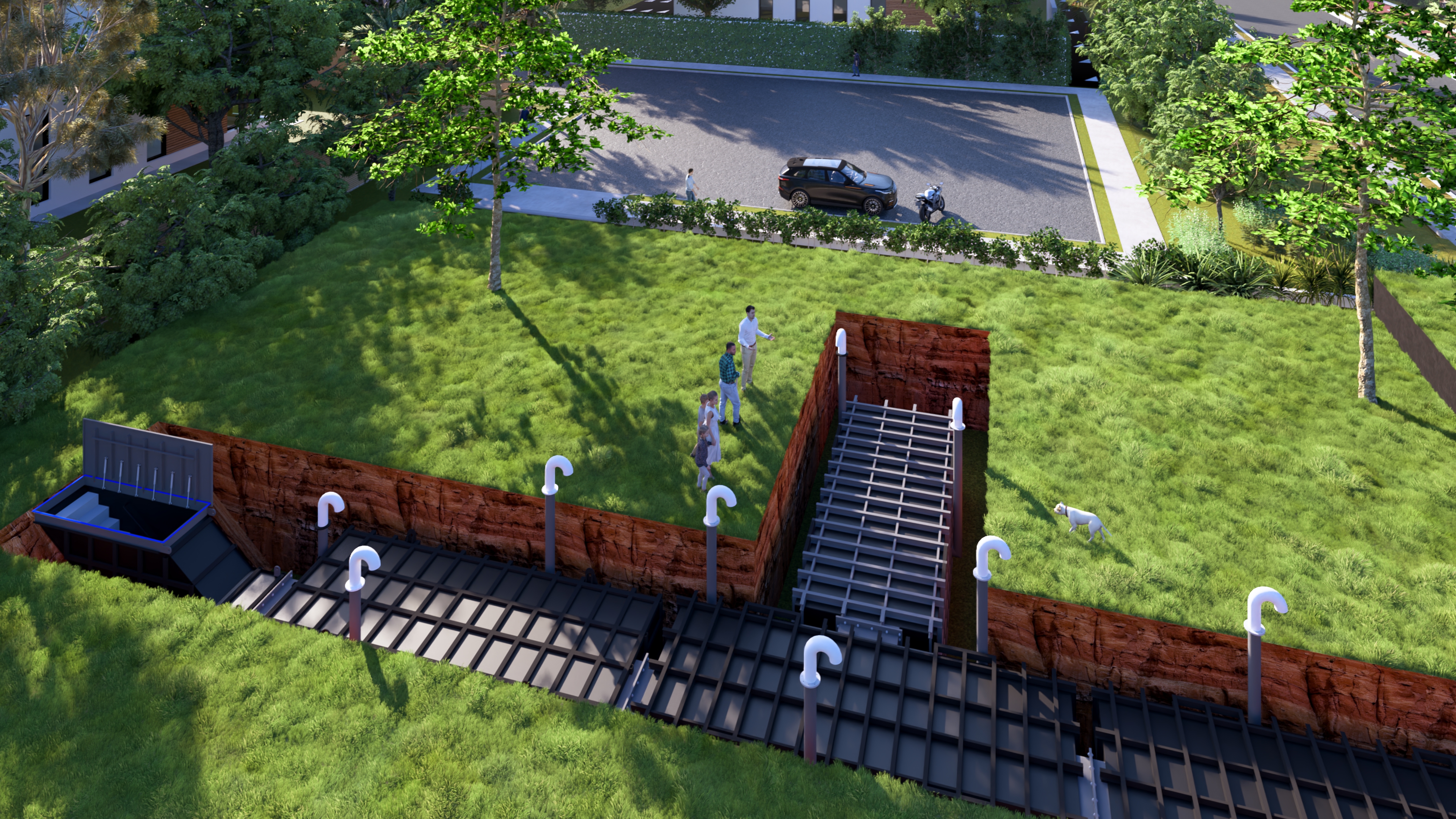
III. Design & Technical Preparation
-
Functional Layout
Divide the space into living quarters, equipment room, storage area, ventilation & purification zone, emergency passages and restroom.
-
Structural Design (Focus on Anti-collapse & Protection)
- Main structure: Adopt cast-in-place reinforced concrete with thickened walls and roof to resist impact and falling debris.
- Protection facilities: Reinforce against impacts, debris and toxic gas as needed. Install explosion-proof and airtight doors at entrances and exits.
- Waterproofing & anti-seepage: Apply multi-layer waterproof rolls and impermeable coatings on exterior walls and floor slabs; equip with water collection wells and drainage pumps.
- Ventilation: Install forced ventilation and air filtration systems to block smoke and toxic fumes, and reserve emergency vents.
- Power supply & lighting: Connect to municipal power grids, and equip with standby generators, energy storage batteries and emergency LED lights; prepare candles as backup.
- Water supply & drainage: Install water storage devices and water purifiers; adopt sealed sewage disposal or dry latrines.
- Temperature & humidity control: Equip with dehumidifiers and temperature control devices to cope with dampness underground.
- Drawing Compilation
Complete floor plans, structural construction drawings and pipeline layout diagrams for construction and official filing.
IV. Procurement of Materials & Equipment
1. Structural Materials
Reinforcing steel bars, high-grade cement, sand, gravel, waterproof rolls, impermeable coatings, airtight protective doors, steel plates and formwork.
2. Supporting Equipment
- Ventilation: Fresh air systems, air filters and gas masks
- Power & water: Energy storage power supplies, portable generators, cables, water pumps and water purifiers
- Security: Airtight locks, observation windows and intercom devices
- Dehumidification: Dehumidifiers and moisture-proof boards
3. Daily Supplies (Stored by Zones)
- Food & water: Ration packs, drinking water, water purification tablets and sealed storage containers
- Medical supplies: First-aid kits, common medicines and disinfectants
- Others: Bedding, hand tools, fire extinguishers, walkie-talkies and standby mobile phones
V. On-site & Personnel Preparation Before Construction
- Site clearance, enclosure and protection of surrounding existing buildings.
- Arrange professional construction teams and on-site supervisors to monitor construction quality.
- Formulate safety plans for foundation pit support, temporary electricity use and waterlogging prevention, and mark hazardous areas.
VI. Construction Management
- Excavate foundation pits in layers and erect supporting structures timely; avoid over-excavation.
- Ensure concrete compaction during pouring, with special attention to waterproofing at joints of walls and roof slabs.
- Embed pipelines for ventilation, power, water supply and drainage in advance.
- Conduct airtight treatment for entrances, exits, vents and pipeline wall penetrations to prevent air leakage and seepage.
VII. Acceptance & Daily Operation & Maintenance
- Inspection & testing: Carry out water tightness test, ventilation test, structural load test and airtightness inspection.
- Trial operation: Run all electromechanical equipment continuously to eliminate malfunctions.
- Routine maintenance:
- Regularly inspect waterproof layers, circuits and ventilation equipment.
- Rotate food and drinking water periodically to prevent expiration.
- Work out emergency access rules and evacuation plans.

